What is boho interior design?

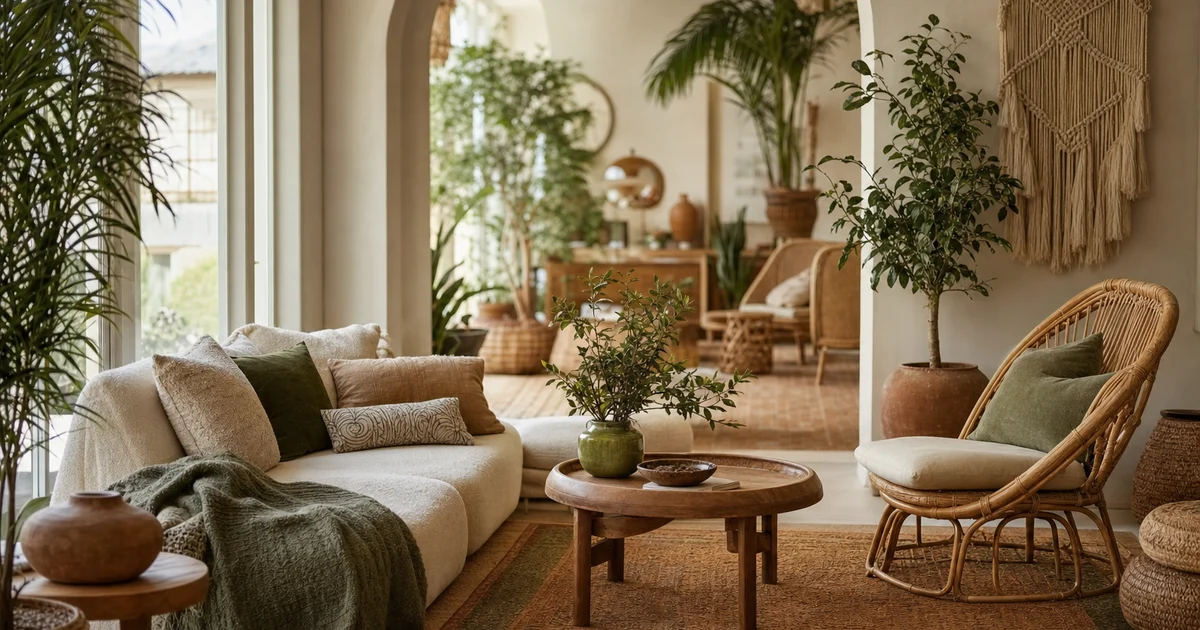
Boho interior design (short for bohemian) is the relaxed, collected look that feels like it grew over years rather than arriving from a single store. It leans on warm earthy colors, natural materials like rattan and jute, layers of texture, and plenty of plants, all gathered with a free spirit instead of a rule book. The point is a room that feels personal and lived in, full of pieces with a story. This guide covers what boho really is, the elements that define it, how it differs from maximalism, how to get the look step by step without tipping into clutter, how to do it on a budget or in a rental, and how to test it on your own room with MINIROOM AI before you buy a single cushion.
What boho interior design actually is
Boho design grew out of the bohemian and hippie movements, borrowing from travel, craft traditions, and a love of the handmade. At its core it is about warmth, comfort, and self-expression rather than matching sets. A boho room looks gathered, not bought in one trip.
The spirit comes down to a few ideas that guide every choice:
- Collected, not coordinated. Pieces come from different places and eras and still sit happily together.
- Relaxed and personal. Comfort beats formality. Floor cushions, low seating, and soft layers invite you to stay.
- Handmade and natural. Texture and craft matter more than gloss, and warm nature-drawn colors keep the room calm even when it is full.
If you are still comparing looks, the interior design styles hub shows how boho sits next to other popular directions.
The defining elements of boho style
Boho is built from layers. No single piece carries the room; a handful of recurring elements stack up to create that warm, gathered feeling.
Color palette. Start with warm, earthy neutrals: terracotta, rust, ochre, mustard, warm cream, and sandy beige, grounded by olive green, deep teal, and brown shades from camel to chocolate. Many rooms add a jewel tone for depth, such as burnt orange or deep plum. Whites tend to be warm and creamy rather than stark.
Natural textures and materials. This is the backbone of the look. Reach for rattan, cane, jute, seagrass, and wicker, plus solid woods like mango, teak, and reclaimed pine. A rattan chair, a cane sideboard, a jute rug, and a woven basket do a lot of work on their own.
Layered textiles. Boho lives in soft, layered fabric:
- A flatweave or kilim rug, sometimes a smaller one layered over a larger jute base
- Mixed cushions in different prints, sizes, and weaves
- A chunky knit or fringed throw over the sofa or bed
- Linen or cotton in relaxed folds rather than crisp pressing
Plants. Greenery is non-negotiable. A tall fiddle leaf fig or monstera, trailing pothos, hanging plants in macrame holders, and a cluster of smaller pots add life and soften every hard edge.
Furniture. Pieces sit low and comfortable: a deep sofa, floor cushions and poufs, a rattan chair, a carved wooden coffee table, a low platform bed. Vintage finds fit right in.
Decor. The finishing layer is where personality lands. Hang macrame and woven wall pieces and framed textiles, then mix in vintage and global finds: a Moroccan pouf, a kilim cushion, brass or ceramic vessels, and candles or lanterns for warm light.
How boho differs from maximalism
People mix these two up because both rooms are full. The difference is mood and palette.
- Palette. Boho stays earthy and warm, drawn from nature. Maximalism is bolder and brighter, happy to clash saturated colors on purpose.
- Mood. Boho is calm and relaxed even when layered. Maximalism is energetic, dramatic, and built to make a statement.
- Materials. Boho leans on natural, handmade, worn-in textures. Maximalism adds gloss, metallics, and clashing pattern.
- Spirit. Boho feels gathered and easygoing. Maximalism feels curated and deliberate, where more is the whole point.
Plenty of homes blend the two. If you love saturated color and pattern stacked high, the maximalist interior design guide has more. For a calmer, more pared-back direction, Japandi style shows what boho looks like with the volume turned down.
How to get the boho look, step by step
Boho can feel like it has no rules, which makes it hard to start. A simple order keeps the room cohesive.
- 1. Set the base. Choose warm, earthy neutrals for walls and big furniture. Creamy white, warm beige, or a soft terracotta wall gives every layer somewhere to land.
- 2. Anchor with a rug. A jute base with a kilim layered on top reads boho instantly.
- 3. Bring in natural materials. Add a rattan chair, a cane or wooden piece, and woven baskets so the room feels grounded.
- 4. Layer the textiles. Pile on cushions in mixed prints and weaves, then add a fringed or chunky knit throw.
- 5. Add plants at different heights. One tall floor plant, a few trailing up high, and small pots at eye level.
- 6. Finish with personality. Hang a macrame or woven piece, set out vintage and global finds, and add candles or a lantern for warm light.
Work big to small. The base and rug do the heavy lifting, and the decor is where it becomes yours.
Keeping it curated, not cluttered
The line between collected and messy is real. A few habits keep boho intentional:
- Repeat colors. Let two or three earthy tones recur so the eye reads the room as one story.
- Vary texture, not chaos. Mix rattan, knit, ceramic, and wood, but keep them in the same warm family.
- Leave breathing room. Let some wall and floor stay open. Negative space makes the full areas feel deliberate.
- Group, do not scatter. Cluster small objects in odd-numbered groupings on a tray or shelf.
- Edit as you go. When you add something new, take something away. A curated room is mostly about what you leave out.
Restraint is the difference between a room that feels gathered and one that feels like a storage unit.
Boho on a budget and in a rental
Few styles are friendlier to a small budget. Boho rewards the secondhand and imperfect, so thrifting is a feature, not a compromise.
- Thrift the big pieces. Vintage rattan chairs, wooden sideboards, and solid coffee tables turn up often and only get better with age.
- Hunt textiles secondhand. Kilim rugs, throws, and cushion covers are easy wins from charity shops, flea markets, and resale apps.
- Grow your own greenery. Pothos, spider plants, and succulents propagate from cuttings, so a few plants quickly become many for free.
- Make the decor. Macrame and framed fabric are classic boho craft projects.
For renters, boho is a gift because almost all of it is non-permanent. Layer rugs over flooring you cannot change, use tension rods and command hooks for hanging plants and textiles, drape fabric or a tapestry to soften a plain wall, and bring warmth with lamps and string lights instead of rewiring. Because nothing is built in, the whole look packs up and moves with you.
Try boho on your real room with MINIROOM AI
Buying into a new style is the scary part. Earthy paint, a rattan chair, and layered rugs add up fast, and a mood board never tells you how it will feel in your space with your light. This is where an AI interior design app earns its place: you see the redesign on your own room before you spend anything.
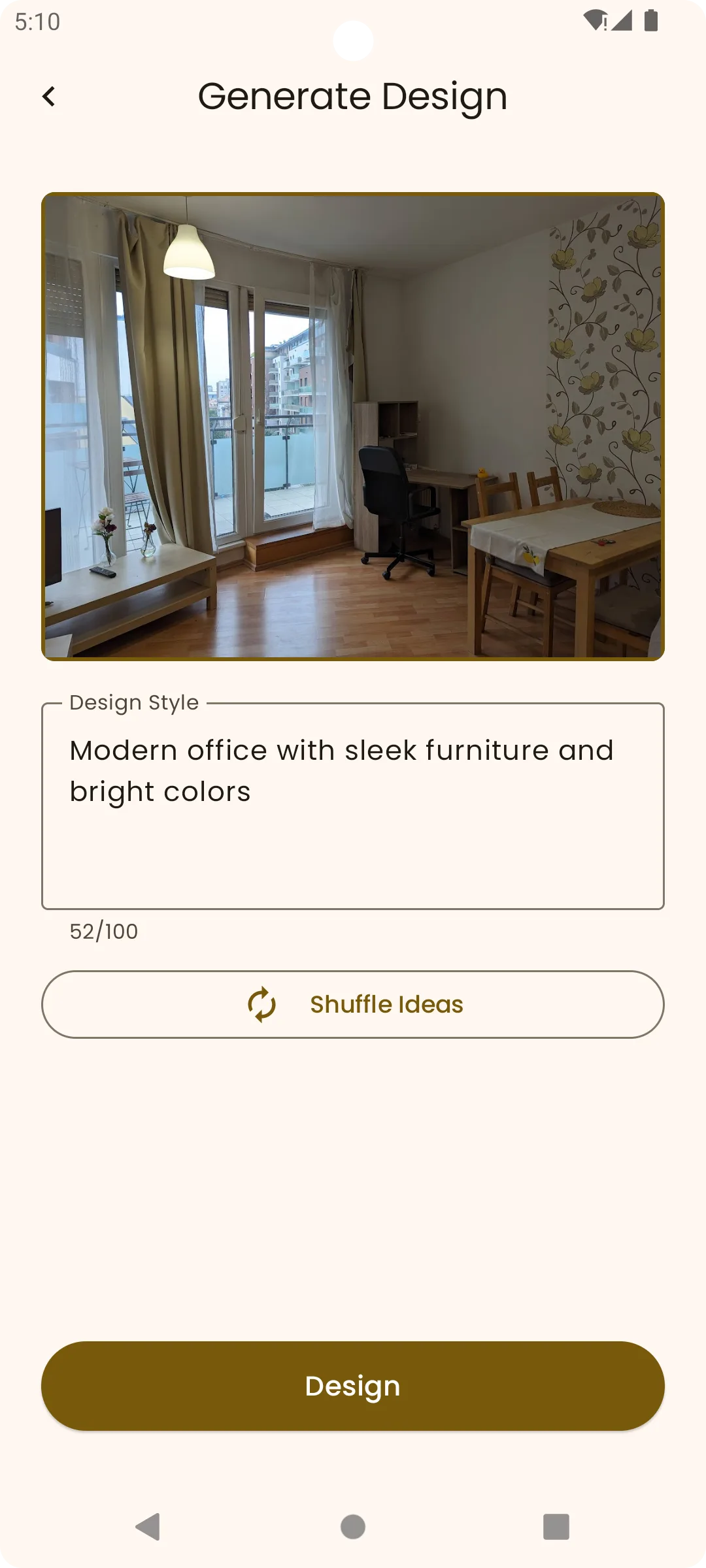
MINIROOM AI is an AI interior design app on Google Play that turns a single photo into a redesign you can compare and save. The boho flow is simple:
- Photograph the room. Take a clear, well-lit photo of the space as it is now, straight on so the whole room is in frame.
- Prompt for a boho redesign. Choose a boho or bohemian style, or describe it in your own words: warm terracotta walls, a rattan chair, layered kilim rugs, macrame, and lots of plants.
- Generate the look. Let the app reimagine your room in boho while keeping the bones of the space.
- Compare before and after. Put the original next to the redesign to judge whether the warmth and layering work for your light and layout.
- Save and share. Keep the versions you like and share them with whoever you live with before you commit.
Try a few directions in minutes: deeper jewel tones, soft creamy neutrals, or heavy on plants. Seeing it on your own four walls is the fastest way to know boho is right before the first delivery arrives, and you can test any look the same way, from mid-century modern to a calmer minimalist scheme.
See a boho version of your room.
Open MINIROOM AI on Google Play and try a relaxed boho redesign from a photo.

Frequently asked questions
What is boho interior design?
Boho, short for bohemian, is a relaxed, collected style built on warm earthy colors, natural materials like rattan and jute, layered textiles, plenty of plants, and vintage or global decor. The look feels personal and lived in, gathered over time rather than bought as a matching set.
What are the key elements of boho style?
The defining elements are an earthy color palette (terracotta, rust, ochre, olive, warm cream), natural materials (rattan, cane, jute, seagrass, wood), layered textiles (kilim rugs, mixed cushions, fringed throws), plants at different heights, low and comfortable furniture, and decor like macrame, woven wall hangings, and global finds.
What colors are used in boho design?
Boho leans on warm, nature-drawn colors: terracotta, rust, ochre, mustard, warm cream, and sandy beige, grounded by olive green, deep teal, and brown tones from camel to chocolate. Many rooms add a jewel tone such as burnt orange or deep plum for depth, and whites tend to be warm and creamy rather than stark.
How is boho different from maximalism?
Both styles fill a room, but boho stays earthy, calm, and natural while maximalism is bolder, brighter, and more dramatic. Boho leans almost entirely on handmade and worn-in textures, while maximalism happily adds gloss, metallics, and clashing pattern on purpose. Boho feels gathered and easygoing; maximalism feels curated and deliberate.
Is boho a good style for renters?
Yes. Boho is one of the most rental-friendly styles because almost all of it is non-permanent. You can layer rugs over existing floors, use tension rods and command hooks for plants and textiles, drape fabric over plain walls, and add warmth with lamps and string lights. Nothing is built in, so the whole look moves with you.
How do I make a room look boho on a budget?
Thrift the big pieces like rattan chairs and wooden tables, hunt kilim rugs and throws secondhand, propagate plants from cuttings, and make your own macrame or woven wall art. Boho actually rewards secondhand and imperfect pieces, so a small budget is an advantage rather than a limit.
How can I see boho design in my own room before buying?
Use MINIROOM AI, an AI interior design app on Google Play. Photograph your room, choose a boho style or describe the look you want, generate the redesign, then compare it side by side with the original and save the versions you like. It lets you test earthy colors, rattan, layered rugs, and plants on your actual space before you spend anything.