Interior design styles: a visual guide

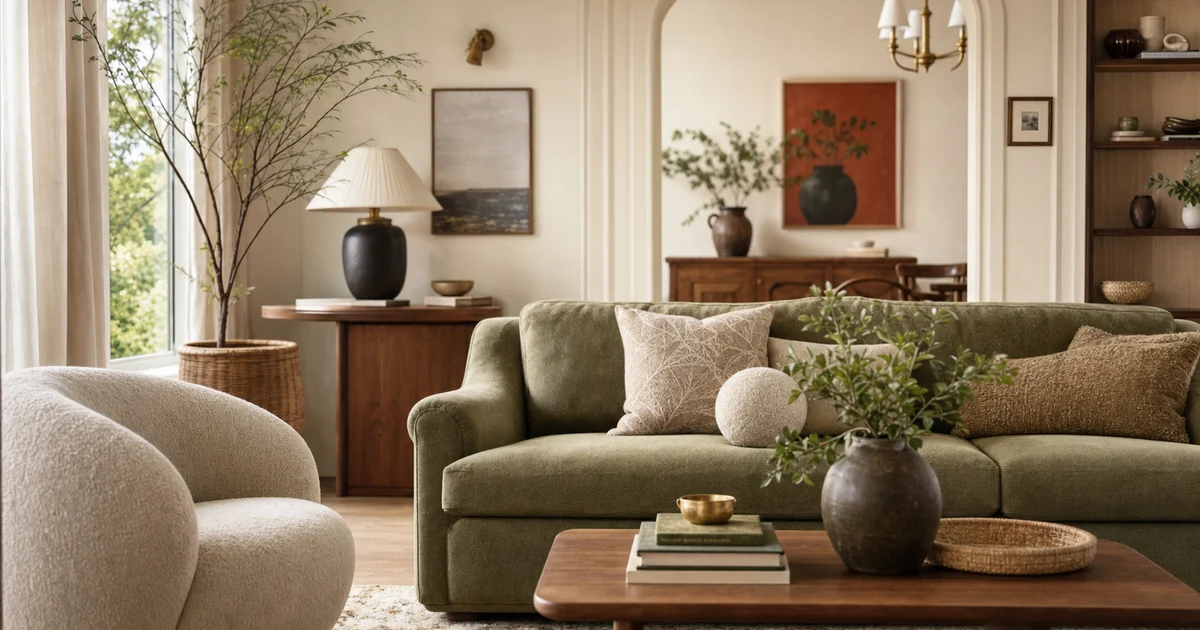
An interior design style is a shared visual language for a room: the colors, materials, shapes, and amount of stuff that hang together to create a certain feeling. When you can name the style you are after, every later decision gets easier. You stop guessing at a paint chip or a sofa and start asking one clear question instead: does this fit the look I chose? This guide explains what a style really is, gives you a practical method for finding the one that suits your room and your life, shows how to combine two or three styles without a clash, and points you to the individual style guides in the grid below. It also covers how to try any style on your actual room with MINIROOM AI, so you can see the result before you buy a single thing.
What an interior design style is, and why naming one helps
A style is a set of choices that repeat. Scandinavian leans on pale wood, white walls, and soft light. Industrial keeps brick, metal, and exposed structure on show. Each one is really a recipe: a palette, a few signature materials, a feeling about how full or how bare a room should be.
Naming your style turns a vague mood into a filter you can act on. That matters more than it sounds.
- It makes shopping faster. You can skip anything that does not match instead of second-guessing every piece.
- It keeps a room coherent. Items chosen against one style read as a whole, not as a pile of separate purchases.
- It saves money. Fewer wrong buys means fewer returns and fewer corners you quietly regret.
- It gives you words. You can describe what you want to a partner, a contractor, or a design tool without hand-waving.
You do not have to follow a style to the letter. Think of it as a starting point you can bend, not a rulebook you must obey.
How to find the style that fits your room, your light, and your life
Skip the quizzes. The style that lasts is the one that matches how your space is built and how you actually live in it. Work through these steps in order.
- Save what you are drawn to. Collect ten or fifteen rooms you love from anywhere. Then look for the pattern: lots of wood, lots of white, lots of color, lots of texture. Your taste is usually clearer than you think once the images sit side by side.
- Read your light. Light changes everything. A room with cool north light or few windows can feel grim in stark white, so warm woods and softer tones often serve it better. A bright, sunny room can carry cooler or bolder color without going flat. Watch your space at morning, midday, and evening before you commit.
- Respect the bones. Period details, a low ceiling, an open plan, or a tiny footprint all push you toward styles that flatter them. Pared-back looks tend to make small rooms feel larger; heavier, layered looks reward rooms that already have generous space.
- Be honest about your life. Kids, pets, cooking, working from home, and how much tidying you enjoy all matter. A high-maintenance, very minimal room is hard to keep if your days are busy. Pick a style you can live in on a normal Tuesday, not only in a photo.
Where your saved images, your light, and your lifestyle overlap is your style. Start there.
If you want a step-by-step way to pin down your own look, see the what is my interior design style guide.
How to mix two or three styles without it clashing
Most real homes are a blend, and the good ones follow a few simple rules. A mix clashes when nothing ties it together, so you give it that thread on purpose.
- Pick one lead style. Let a single style set roughly seventy percent of the room. The others are accents. Without a clear lead, a space reads as indecision rather than a considered mix.
- Share one palette. Hold every style in the room to the same handful of colors. A shared palette is the strongest tool you have for making different pieces look like they belong together.
- Repeat a material or a metal. Echo one wood tone, one metal finish, or one fabric across the styles so the eye keeps finding a common thread.
- Limit yourself to two or three styles. Beyond three, coherence gets hard to hold. Two is plenty for most rooms.
- Balance the contrast. If you pair a warm, layered style with a cool, minimal one, keep one calm so the other can stand out. They should not both shout.
Some blends are practically their own style now. Japandi fuses Japanese warmth with Scandinavian restraint and shows how two pared-back looks can become one calm, cohesive room.
The main families of style, and where to start in the grid below
There are dozens of named styles, and the cards under this section let you explore each one in depth. To find your way in, it helps to think in three broad families rather than memorizing every name.
- Calm and pared back. Light, restraint, and breathing room. Scandinavian and minimalist live here. These suit small spaces, busy lives, and anyone who relaxes in an uncluttered room.
- Warm and layered. Texture, depth, and personality, with more on show. Maximalist rooms sit at this end, full of color, pattern, and collected objects. This family rewards people who feel cozy surrounded by things they love.
- Retro and modern. A nod to a specific era brought into the present, with strong shapes and confident color. Mid-century pieces are the classic example.
Pick the family that matches the mood you keep returning to, then open the cards below to compare the styles inside it. You are not locked in; this is just the fastest route from a general feeling to a few named candidates worth a closer look.
How to apply any style to your real room with MINIROOM AI
A photo of a stranger's beautiful living room only takes you so far. The real test is whether a style works in your room, with your light, your layout, and your windows. That is the gap MINIROOM AI closes. You can try a whole style on your actual space before you spend anything, and you do it from your phone with the app on Google Play.
- Photograph the room. Stand back and capture as much of the space as you can in good daylight. A clear, wide shot gives the AI the most to work with.
- Prompt for the style. Choose the style you want to test, whether that is Scandinavian, minimalist, maximalist, Japandi, or a mid-century look. Naming the style precisely, as you learned above, gets you a sharper result.
- Generate the redesign. The app reimagines your real room in that style, keeping your actual walls, windows, and proportions so the result reflects your space rather than a showroom.
- Compare side by side. View the redesign against your original to judge whether the style genuinely suits the room or just looks good in the abstract.
- Save and revisit. Keep the versions you like, compare a few styles against each other, and use the winner as your shopping brief.
Trying several styles this way costs you nothing but a few minutes, and it turns a guess into a decision. For a fuller walkthrough of prompting and comparing, see our guide on how to use AI to design a room.
The main interior design styles
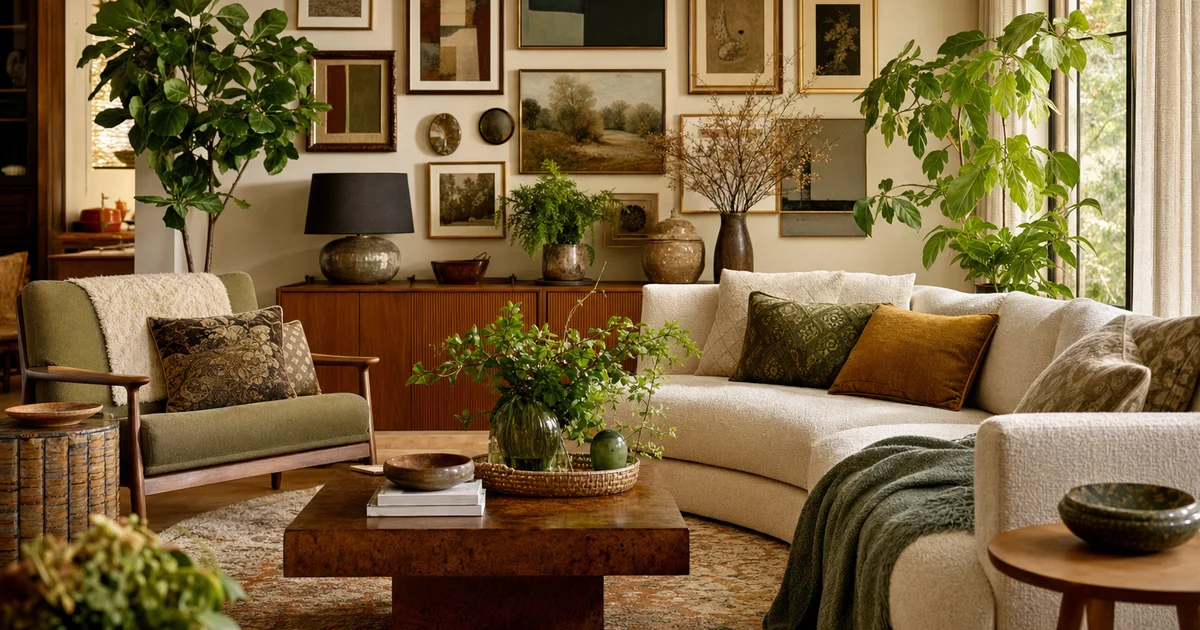 Maximalist interior design
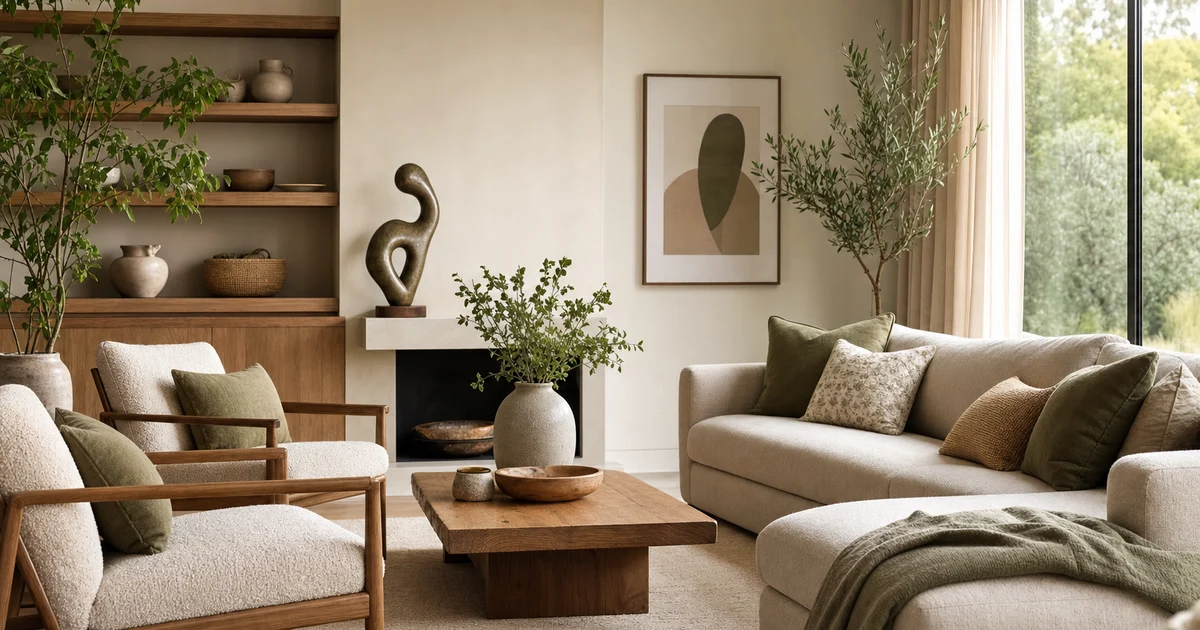 Contemporary interior design
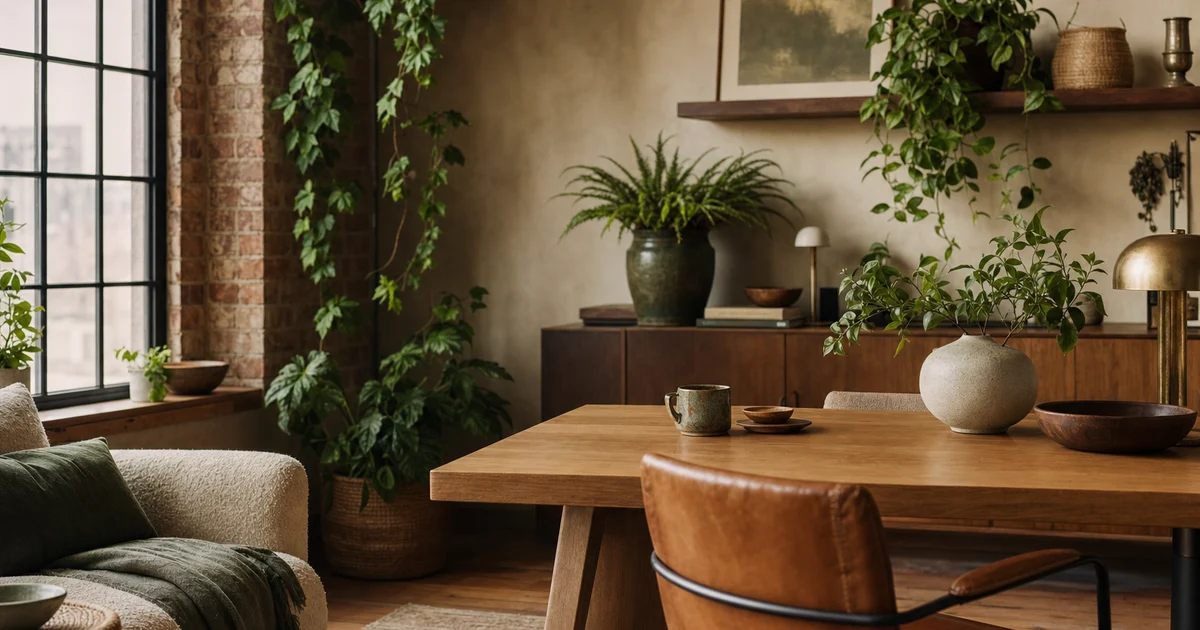 Industrial interior design
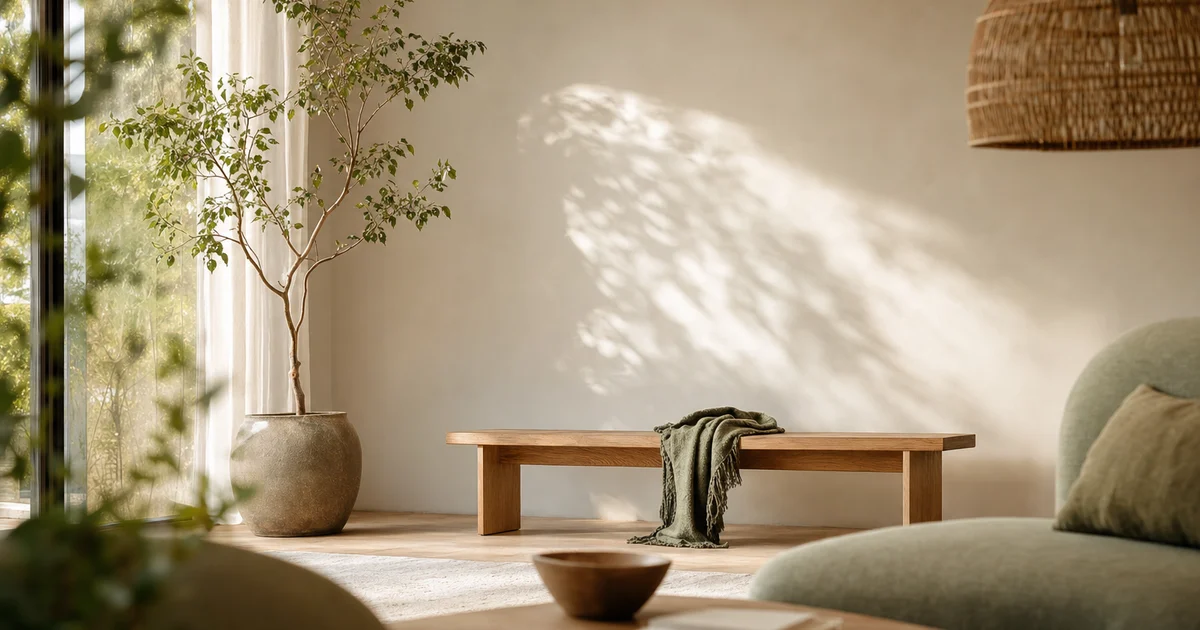 Minimalist interior design
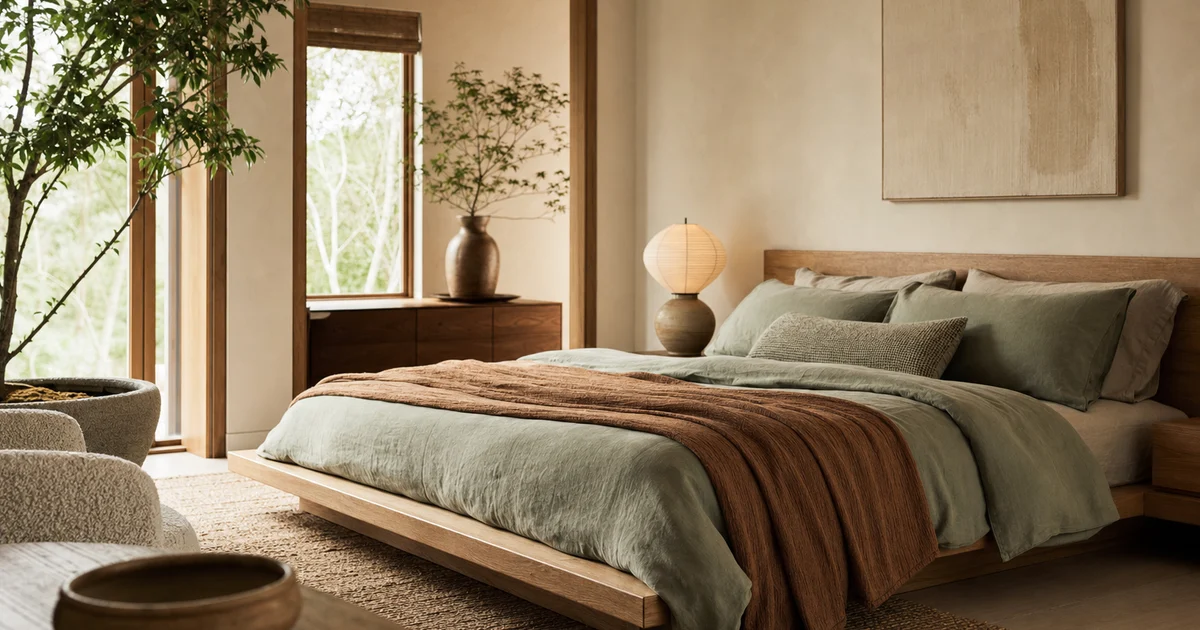 Japandi style
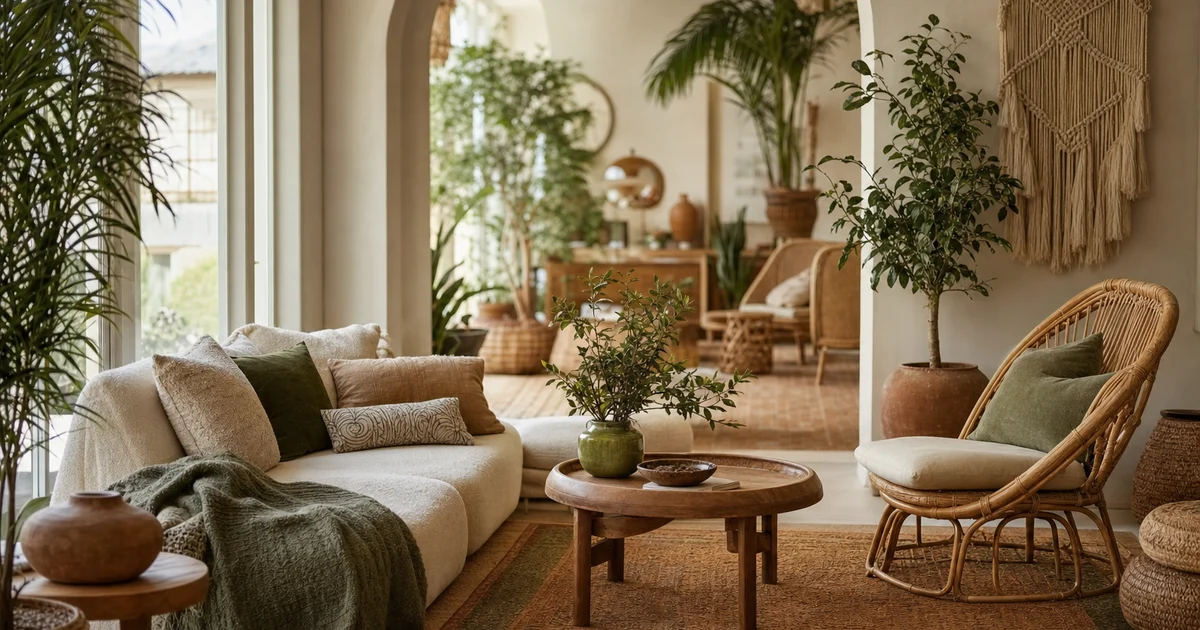 Boho interior design
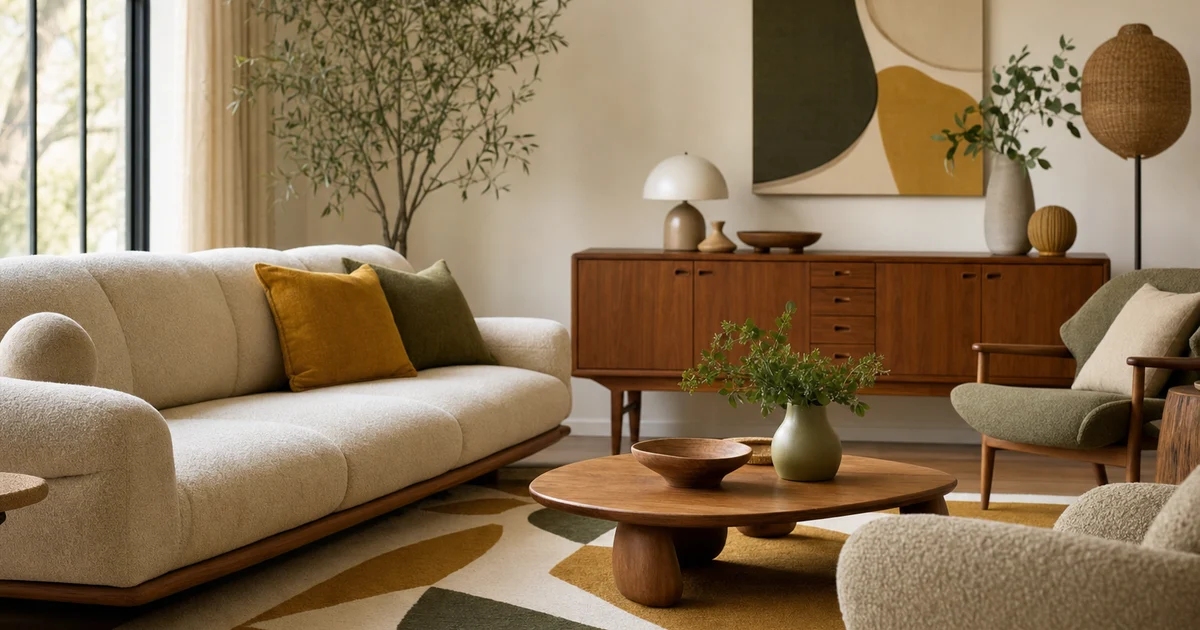 Mid-century modern interior design
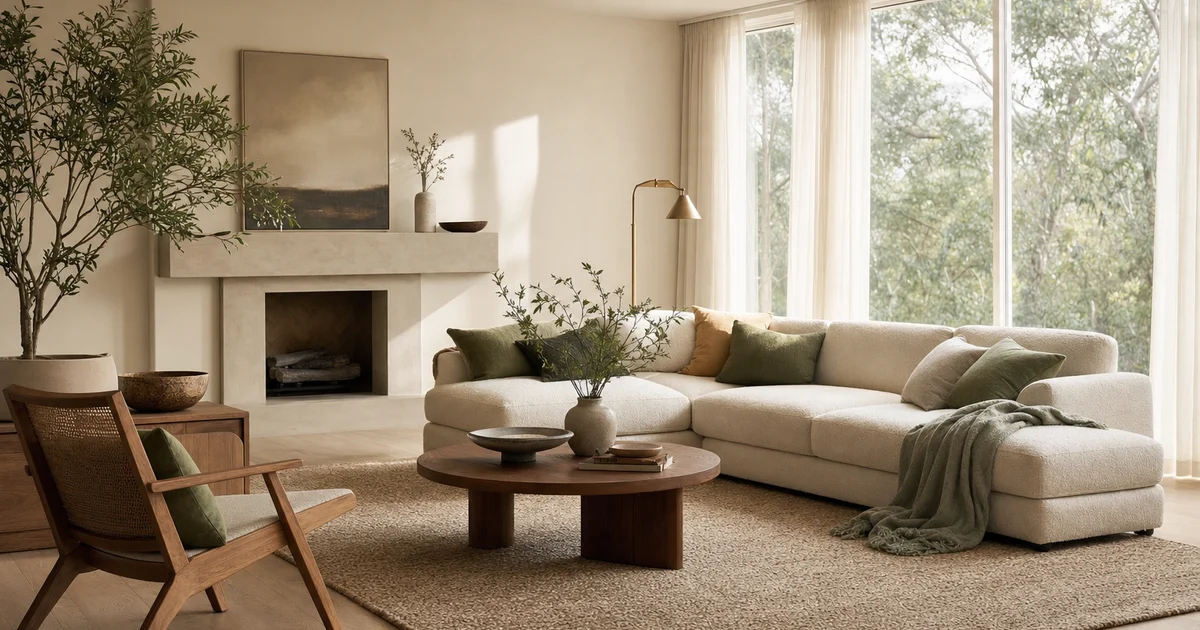 Scandinavian interior design
Try a style on your own room.
Open MINIROOM AI on Google Play, photograph the room, and see your chosen style applied in seconds.

Frequently asked questions
How many interior design styles are there?
There is no fixed number, but most people encounter a few dozen named styles, with the common ones including Scandinavian, minimalist, maximalist, mid-century modern, industrial, modern, traditional, coastal, bohemian, and Japandi. New blends keep appearing, so the list grows over time. You do not need to learn them all. Find the broad family you like, then explore the specific styles inside it using the cards above.
What is the most popular interior design style?
Popularity shifts by year, region, and home type, so there is no single permanent winner. That said, calm and pared-back looks like Scandinavian and minimalist have stayed in wide favor for a long time because they suit small spaces and busy lives, and mid-century modern has remained a steady favorite for its warm wood and clean shapes. The best style for you is the one that fits your room and how you live, not whichever is trending.
Can you mix interior design styles?
Yes, and most well-designed homes do. The trick is to choose one lead style for about seventy percent of the room, hold every style to a shared palette, and repeat a material or metal finish so the pieces feel related. Keep it to two or three styles so the room stays coherent. A clash usually means nothing ties the pieces together, not that mixing itself is the problem.
How do I find my interior design style?
Collect ten to fifteen rooms you love and look for the pattern in them, then weigh that against two practical facts about your home: the quality of its light and the way you actually live in it. The style that lasts sits where your taste, your light, and your lifestyle overlap. A fast way to confirm a candidate is to test it on a photo of your real room with MINIROOM AI before you buy anything.
What is the difference between modern and contemporary style?
Modern usually refers to a specific historical movement with clean lines and a mid-century feel, so it points to a settled set of shapes and materials. Contemporary means whatever is current right now, so it shifts as trends move. In short, modern is a fixed style, while contemporary is a moving target that reflects the present moment.
Which interior design style is best for a small room?
Pared-back styles tend to flatter small rooms because light walls, restraint, and a little breathing room make a space feel larger. Scandinavian and minimalist are natural fits for this reason. You can still add warmth and personality through texture and a few well-chosen pieces; the goal is to avoid visual clutter, not to strip the room bare.
Do I have to follow one style exactly?
No. A style is a starting point, not a rulebook. Use it as a filter to keep your choices coherent, then bend it to suit your space, your budget, and the things you already own and love. A room that mixes a lead style with a couple of personal accents almost always feels more like home than a strict, by-the-book copy.
How can I see a style in my own room before I buy furniture?
Photograph your room in good daylight, then use MINIROOM AI to redesign that exact space in the style you are considering. Because the app works from your real walls, windows, and layout, you see how the style behaves in your room rather than in a showroom. Compare the result against your original, save the versions you like, and use the winner as a shopping brief. The app is available on Google Play.