What is Scandinavian interior design?

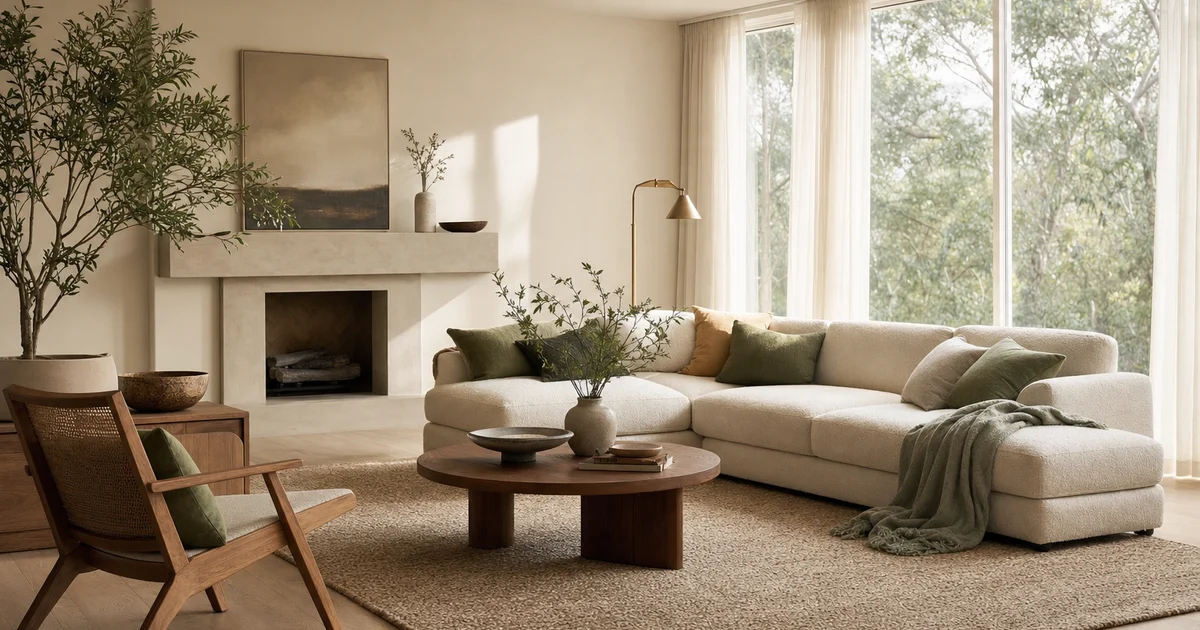
Scandinavian interior design is the look that feels calm the second you walk in: pale wood, soft white walls, and just enough furniture to live well. It grew out of the Nordic countries (Denmark, Sweden, Norway, Finland, and Iceland), where long, dark winters pushed people to make the most of every hour of daylight and to build homes that feel warm when it is freezing outside. The result is simple without being cold and easy to pull off in a small flat or a rented room. This guide covers what the style is, the woods, colors, and textiles that define it, how it differs from minimalist and Japandi, and how to test the look on your own room with MINIROOM AI before you buy a single chair.
What Scandinavian design is, and where it comes from
Scandinavian design is a Nordic approach to the home built on three ideas: light, function, and warmth. It took shape in the early-to-mid 1900s, when designers across Denmark, Sweden, Norway, and Finland wanted beautiful, affordable furniture for ordinary people rather than for grand houses. Form followed function, but it never felt clinical, because the materials stayed natural.
The reason it leans so hard on pale colors and bare windows is simple: in the far north, daylight is short for much of the year, so homes are designed to catch and bounce every bit of it. The flip side is the long evening, which is where hygge comes in. Hygge (a Danish word, roughly "cozy contentment") is the feeling of a warm, unhurried evening at home: a soft blanket, a lit candle, a hot drink, good company. Scandinavian design is really hygge made physical. You build a room that looks bright by day and feels snug by night.
If you are still mapping out which look fits you, our guide to interior design styles compares Scandinavian against the rest before you commit.
The defining elements, broken down
Scandinavian rooms look effortless because the same handful of choices show up again and again.
Color palette. Start with a soft, warm white or pale greige on the walls, not a stark builder white. Layer in quiet neutrals, then ground the room with one or two darker touches and a small dose of warmth.
- Walls: warm white, soft gray, or pale greige
- Neutrals: oatmeal, dove gray, warm beige, muted sage, dusty blue
- Accents: charcoal, deep green, or black in small amounts, plus terracotta, mustard, or ochre for warmth
Light woods. This is the heart of the look. Reach for pale, honey-toned timber rather than dark stains: white oak, ash, beech, birch, and pine. A light oak table, ash chair legs, or birch shelving instantly reads as Scandinavian. Keep the grain visible and the finish matte, not glossy.
Furniture. Choose clean, low-slung pieces with slim legs and rounded edges: a simple sofa in oatmeal or gray, a spindle-back or molded chair, a compact coffee table, and open shelving. Leave breathing room around each piece so the floor and light can show.
Lighting. Treat light in two layers. By day, maximize daylight with sheer linen curtains or bare windows and a mirror to bounce it. By night, skip the harsh ceiling bulb and build warmth with several low lamps: one paper or opal-glass pendant as a centerpiece, two or three warm lamps at different heights, and real candles for evening hygge. Warm bulbs (around 2700K) matter as much as the fixtures.
Textiles. Texture is how the room stays warm instead of bare. Pile on natural fibers: a chunky wool throw, a sheepskin over a chair, a wool rug, linen cushions, and a knitted blanket. Mixing rough and soft textures in one neutral palette keeps a pale room from feeling flat.
Decor. Keep it restrained: a leafy plant or two, a ceramic vase, a stack of books, framed line art, and woven baskets. Greenery is almost a rule, because it adds life without clutter.
How Scandinavian differs from minimalist and Japandi
These three styles share clean lines and calm rooms, so they get mixed up. The differences come down to warmth and origin.
- vs minimalist: Minimalism strips back to the essentials in a cooler, more monochrome way. Scandinavian shares the restraint but adds cozy: more wood, more soft textiles, more warmth. A minimalist room can feel sparse on purpose; a Scandinavian room is meant to feel lived in. Our minimalist interior design guide shows where to draw the line.
- vs Japandi: Japandi is the hybrid of Scandinavian and Japanese design. It keeps the Nordic light woods but borrows Japanese low furniture, darker accents, and a wabi-sabi calm. If Scandinavian is bright and soft, Japandi is moodier and more grounded.
- vs contemporary: Contemporary design follows whatever is current and can swing toward sleek metal and glass. Scandinavian stays committed to natural materials and a warm neutral base regardless of trends.
How to get the look, step by step
You do not need to redo the whole home at once. Work in this order and the room comes together without feeling staged.
- 1. Lighten the base. Paint walls a warm white or soft greige and keep floors pale. This is the biggest single change.
- 2. Bring in light wood. Add one or two honey-toned oak, ash, or birch pieces and let the grain show.
- 3. Clear and edit. Remove anything you do not use or love. Negative space is part of the style.
- 4. Layer textiles. Add a wool rug, a sheepskin, linen cushions, and a chunky throw in your neutral palette.
- 5. Rework the lighting. Swap the harsh overhead for a paper pendant plus two or three warm lamps, and switch to 2700K bulbs.
- 6. Finish with green and a few honest objects. A plant, a ceramic vase, a stack of books, one framed print. Stop before it gets busy.
Keeping it cozy, not clinical
The most common mistake is a room that ends up looking like an empty showroom: all white, all hard surfaces, nothing to touch. The fix is warmth and texture, not more stuff.
- Warm your whites. A creamy or greige white reads cozy where a blue-white reads cold.
- Add soft, touchable layers. Wool, sheepskin, and a knitted throw break up hard surfaces fast.
- Mix textures within one color. A nubby linen cushion next to a smooth ceramic and a rough basket keeps a neutral room interesting.
- Light low and warm. Several small pools of warm light feel far cozier than one bright ceiling fixture.
On a budget and in a rental
Scandinavian design is genuinely friendly to renters and tight budgets, because the whole movement was built around affordable furniture for everyday homes. You can get most of the way there with changes you can take with you.
- Skip the paint, change the textiles. A large pale rug, light slipcovers, and sheer curtains lighten a room without touching the walls.
- Shop flat-pack and secondhand. Light oak, ash, and birch pieces turn up constantly in flat-pack ranges and on resale sites. A little honey-toned wood goes a long way.
- Lighting is renter gold. A paper pendant, a couple of plug-in lamps, and warm bulbs are cheap, portable, and transform the mood instantly.
- Add, do not renovate. Plants, woven baskets, a sheepskin over an existing chair, or a wool throw on a plain sofa get you the feel without a remodel.
Try the look on your real room with MINIROOM AI
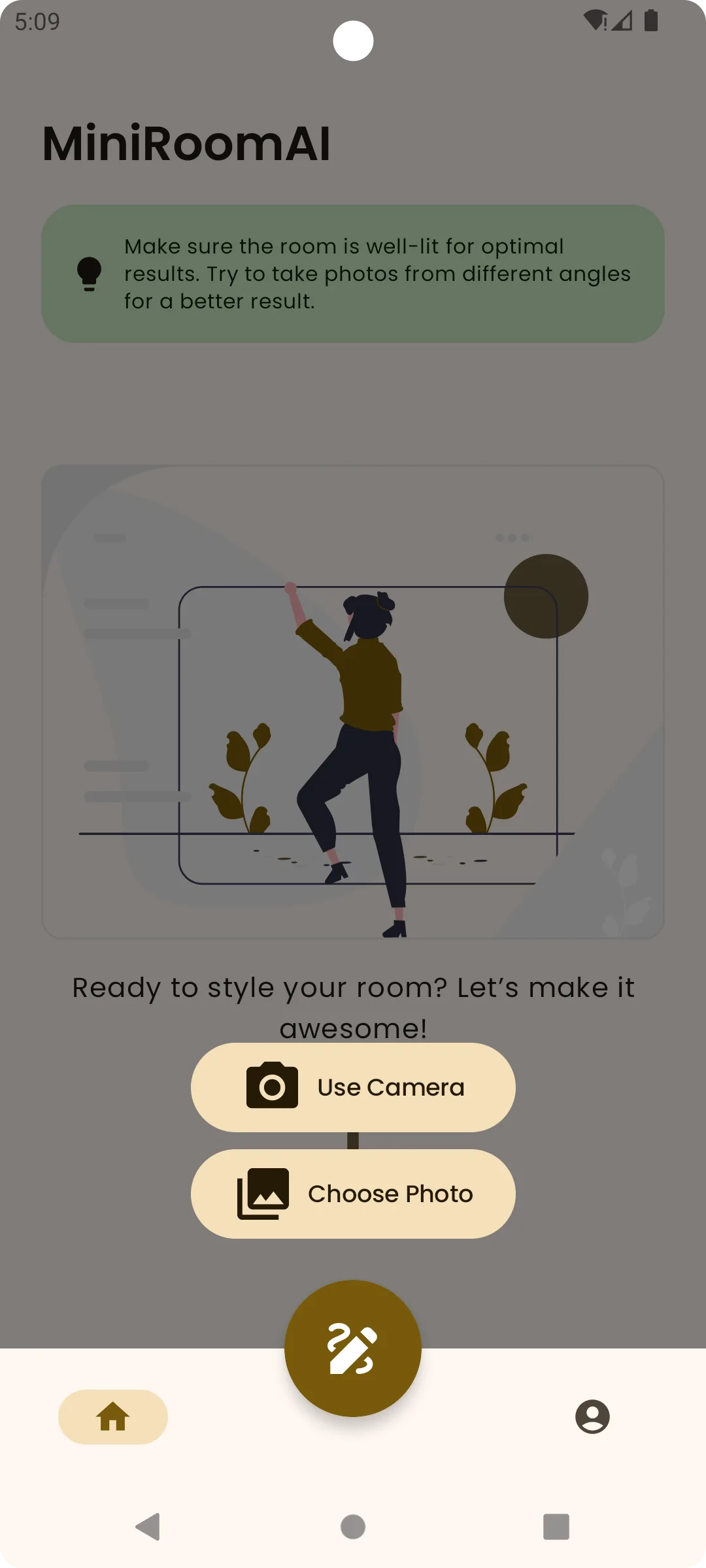
Before you buy a rug or repaint a wall, it helps to see the style on your actual space. That is what MINIROOM AI is for. It is an AI interior design app on Google Play that takes a photo of your room and redesigns it in the style you choose, so you can judge the result against your own furniture, windows, and light.
- 1. Photograph the room. Take a clear photo during the day so the lighting is honest, standing back so the main walls, floor, and windows are in frame.
- 2. Prompt for a Scandinavian redesign. Choose the Scandinavian style or describe it: warm white walls, light oak furniture, wool and sheepskin textiles, a paper pendant, and a couple of plants.
- 3. Generate. Let the app produce a redesigned version of your room in the Scandinavian look.
- 4. Compare. Put the redesign side by side with your before photo to see what changes: the lighter palette, the wood, the cleared surfaces.
- 5. Save and share. Keep the versions you like and share them before you spend anything.
It turns a vague idea into something you can look at and shop toward. Read more on the AI interior design app page, then test a Scandinavian redesign on your own room and decide what is worth buying.
See a Scandinavian version of your room.
Open MINIROOM AI on Google Play and try a bright Scandinavian redesign from a photo.

Frequently asked questions
What is Scandinavian interior design in simple terms?
It is a Nordic style built on light, function, and warmth: pale walls, honey-toned woods like oak and ash, clean low furniture, layered warm lighting, and cozy natural textiles such as wool and sheepskin. It looks bright by day and feels snug by night.
Where does Scandinavian design come from?
It comes from the Nordic countries (Denmark, Sweden, Norway, Finland, and Iceland) and took shape in the early-to-mid 1900s. Long, dark winters pushed designers to maximize daylight and to make warm, affordable, functional homes for everyday people.
What is hygge and how does it relate to the style?
Hygge is a Danish idea of cozy, unhurried contentment at home, like a warm blanket, a lit candle, and a hot drink on a dark evening. Scandinavian design is hygge made physical: a room that looks light during the day and feels cozy at night.
What colors and woods define Scandinavian rooms?
Walls are warm white, soft gray, or pale greige, with neutral accents like oatmeal, sage, and dusty blue, plus small doses of charcoal, terracotta, or mustard. The woods are pale and honey-toned: white oak, ash, beech, birch, and pine, kept matte rather than glossy.
How is Scandinavian design different from minimalism?
Both are restrained and clean, but minimalism strips back to bare essentials and often feels cooler and more monochrome. Scandinavian keeps the simplicity while adding warmth: more wood, more soft textiles, and a lived-in coziness rather than a gallery feel.
What is the difference between Scandinavian and Japandi?
Japandi blends Scandinavian and Japanese design. It keeps Nordic light woods and function but adds Japanese low furniture, darker accents, and a more pared-back, wabi-sabi calm. Scandinavian is brighter and softer; Japandi is moodier and more grounded.
Can I get the Scandinavian look in a rental on a budget?
Yes. Use a pale rug, light slipcovers, and sheer curtains instead of paint, add affordable light-wood pieces from flat-pack or secondhand sources, swap in warm bulbs and plug-in lamps, and layer wool throws, sheepskins, plants, and baskets. None of it requires renovating.
How can I preview a Scandinavian redesign of my own room?
Use MINIROOM AI, an AI interior design app on Google Play. Photograph your room in good daylight, prompt for a Scandinavian redesign (light oak, warm white walls, wool and sheepskin), generate the result, compare it side by side with your before photo, then save and share the versions you like.