What is maximalist interior design?

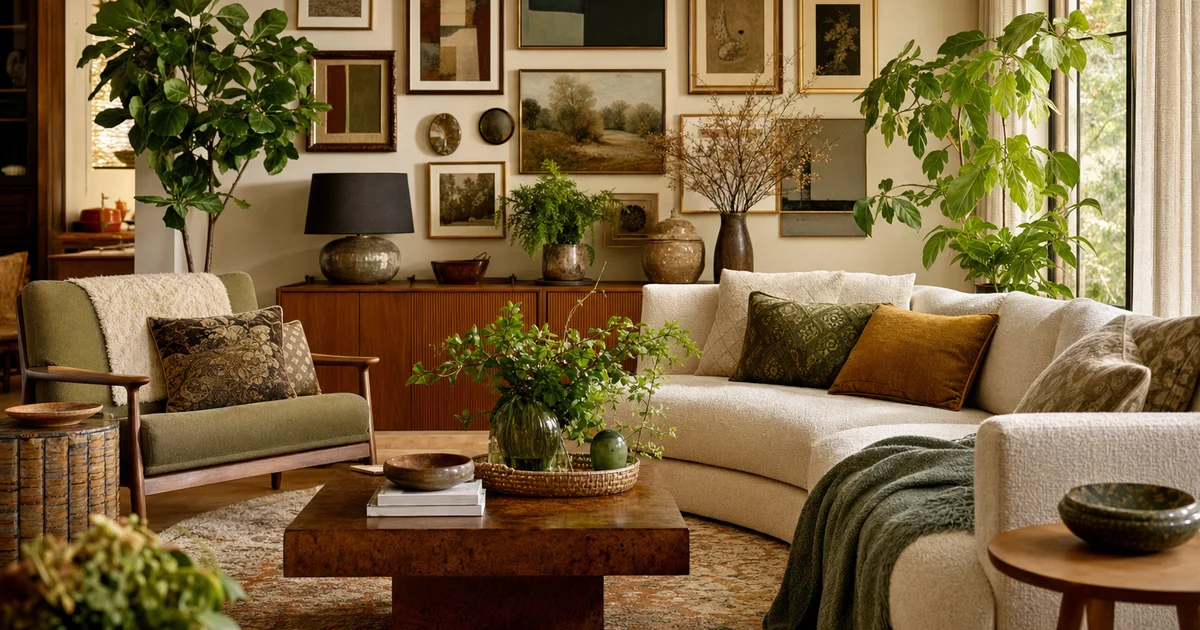
Maximalism is the design of more on purpose. More color, more pattern, more texture, and more of the objects you actually love, arranged so the room feels full and personal instead of empty and safe. Done well, it reads as collected and confident, not cluttered. This guide explains what maximalist interior design really is, where it came from, and the specific colors, materials, furniture shapes, and lighting that make it work, then shows you how to get the look in a real room (including a quick way to preview it with the MINIROOM AI app on Google Play before you spend a cent).
What maximalist interior design actually means
Maximalism is a decorating approach built on the idea that a room should be layered, expressive, and a little abundant. Where minimalism strips a space down to a few essentials, maximalism adds: saturated color, mixed patterns, varied textures, and a visible collection of art and objects that mean something to the person living there.
The key word is curated, not random. A maximalist room has a lot going on, but the choices are deliberate. Colors talk to each other, patterns share a tone, and every shelf has a reason. The goal is a space that feels warm, full of story, and unmistakably yours.
If you are still mapping out which direction suits you, it helps to see maximalism next to its neighbors on the interior design styles guide, which lays out the main looks side by side.
A short history of maximalism
Maximalism is not new. Its roots run through the ornate, layered interiors of the Victorian era, when homes were filled with patterned wallpaper, heavy drapery, dark wood, framed pictures stacked floor to ceiling, and shelves of collected curiosities. Abundance signaled taste and travel.
The middle of the twentieth century pushed the other way, toward clean lines and open rooms, and minimalism became the default for decades. Maximalism returned as a reaction to that restraint: people wanted color back, wanted their books and souvenirs on display, wanted rooms that felt lived in rather than staged.
Today's version borrows the layering and richness of the past but pairs it with modern comfort and better lighting. It is less stuffy than its Victorian ancestor and far more personal.
The defining elements of a maximalist room
Maximalism is easier to pull off when you treat it as six moving parts. Get these working together and the room holds up.
Color palette. Maximalist rooms lean rich and saturated. Think jewel tones like emerald green, sapphire blue, ruby red, and amethyst purple, often grounded by a deep base such as charcoal, forest, ink navy, or terracotta. Warm metallics (brass, antique gold, copper) tie it together. You can absolutely use a lot of color, but pick a loose family of three to five hues so the eye has somewhere to rest.
- Pattern and texture. Mixing patterns is the heartbeat of the style: florals with stripes, ikat with geometric, leopard with paisley. The trick is to vary the scale (one large print, one medium, one small) and keep a shared color running through them. Texture matters just as much: velvet, bouclé, rattan, raw linen, glazed ceramic, and a wool or Persian-style rug add depth you can feel.
- Furniture. Reach for pieces with presence and curve: a tufted or velvet sofa in a bold color, a curved armchair, a carved wood cabinet, a marble or brass coffee table, an antique sideboard. Maximalism welcomes mixing eras, so a vintage chair next to a modern sofa is a feature, not a mistake.
- Lighting. Layered, warm, and a little decorative. Combine an overhead statement piece (a brass or beaded chandelier, a colored-glass pendant) with table and floor lamps. Use warm bulbs around 2700K, add a dimmer, and let pools of light create mood rather than one flat ceiling glare.
- Walls and decor. This is where maximalism shines. Patterned or deeply colored wallpaper, a salon-style gallery wall of mixed frames, large mirrors, shelves of books arranged by color and stacked flat and upright, plants, ceramics, and collected objects from your own life.
- Layout. Rooms feel full but should still flow. Keep clear walking paths, anchor seating with a generous rug, and let a few breathing spots (a bare patch of wall, an uncluttered tabletop) keep the abundance from reading as chaos.
How to get the look without it tipping into clutter
The line between maximalist and messy is structure. Follow a loose order and the room stays intentional.
- Start with a base and an anchor color. Pick a wall color or wallpaper and one dominant hue. Everything else hangs off that decision.
- Choose a tight palette. Three to five colors that recur around the room. Repetition is what makes a busy space feel composed.
- Layer patterns by scale. One large print, one medium, one small, sharing at least one common color. Spread them around the room rather than piling them in one corner.
- Build texture in layers. A rug under the seating, a velvet or bouclé seat, a chunky throw, woven baskets, glazed ceramics. Mix soft and hard, matte and shiny.
- Curate the collection. Group objects in odd numbers, vary heights, and edit. If a shelf feels frantic, remove a third of it.
- Leave deliberate rest. Every maximalist room needs a few calm spots so the rich parts can breathe. Empty wall, clear surface, a single large piece of art.
A useful gut check: if you removed one more thing and the room felt sad, you are roughly at the right level.
Common mistakes and how to avoid them
Most maximalist rooms that fail share the same handful of problems. They are all fixable.
- No unifying color. Lots of unrelated hues read as noise. Fix it by repeating a small palette and letting one color dominate.
- Same-scale patterns fighting. Three medium florals compete. Vary the scale so the eye knows where to land.
- Flat, single-source lighting. One bright ceiling fixture kills the mood. Add table and floor lamps with warm bulbs and a dimmer.
- Crowding the walkways. Abundance on the surfaces, not in the paths. Keep clear routes through the room.
- Buying everything at once. A room bought in a single afternoon looks bought. Maximalism reads best when it is collected over time, so let it grow.
- No edit. There is a difference between full and stuffed. Step back, photograph the room, and remove whatever the photo says is too much.
Maximalism on a budget and in a rental
You do not need a renovation or a big budget to do maximalism. The style rewards layering and personality over expensive matched sets.
- Shop secondhand. Thrift stores, estate sales, and marketplace listings are ideal for the carved cabinets, brass lamps, gilt frames, and patterned textiles maximalism loves. Mismatched is the point.
- Lean on textiles. A bold rug, patterned cushions, and a heavy curtain change a room fast and move with you when you leave.
- Use removable pattern. Peel-and-stick wallpaper, large framed prints, and tapestries give you color on the walls without losing a deposit.
- Build a gallery wall. Mixed thrifted frames around a few prints is high impact for little money.
- Add plants and swap the bulbs. Greenery is a cheap, lively layer, and warm bulbs with a couple of lamps do most of the mood work.
If maximalism feels like too much commitment, a softer, plant-and-pattern cousin is worth a look. The boho interior design guide covers that relaxed, layered approach, which shares maximalism's love of texture with a calmer palette.
Try a maximalist look in your real room with AI
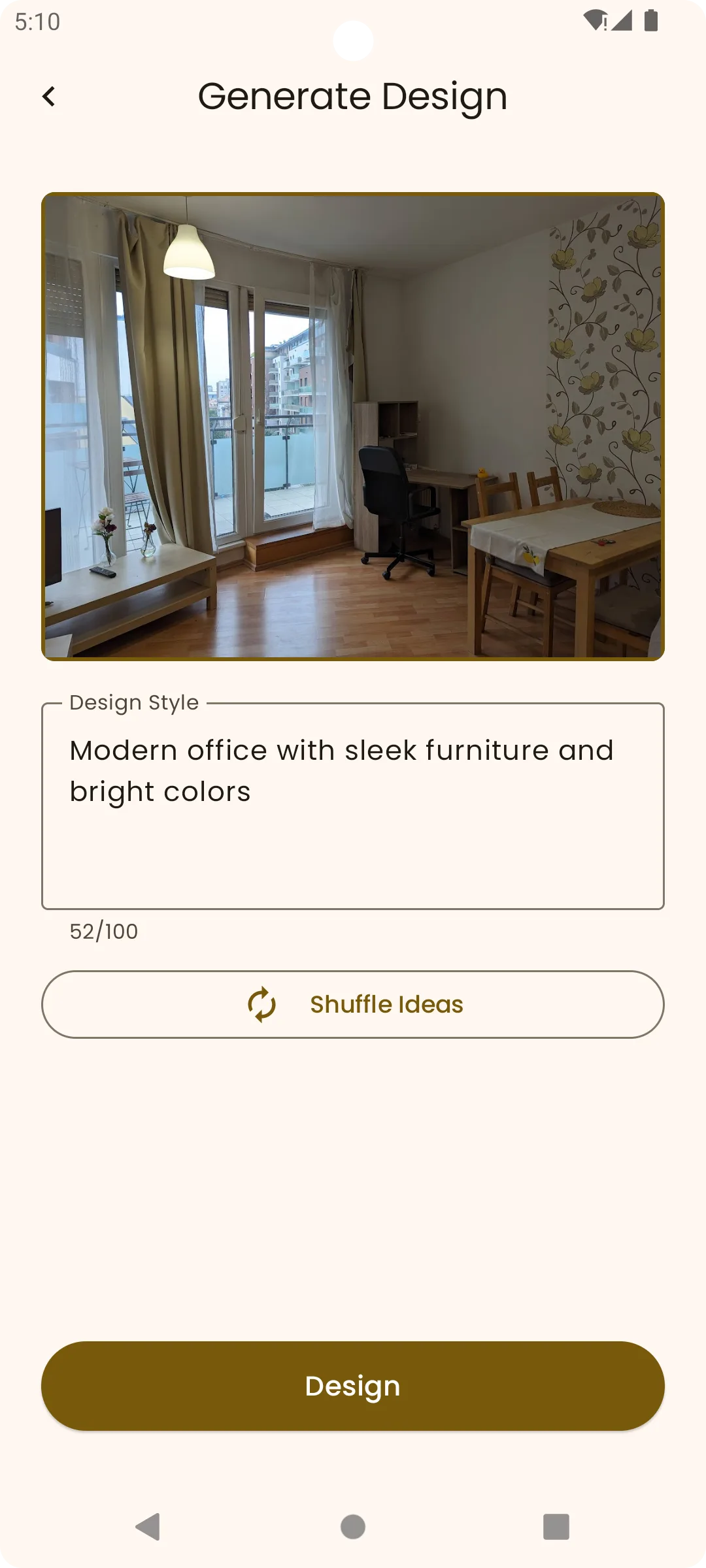
The hardest part of maximalism is trusting that all that color and pattern will work in your actual space. Previewing the look first saves both money and second-guessing. With the MINIROOM AI app on Google Play you can photograph the room you have and see a maximalist version of it before you buy anything.
- Photograph the room. Open MiniRoom and take a clear, well-lit photo of the space you want to redo. Shoot from a corner so the AI can read the layout.
- Choose or prompt the maximalist style. Pick the maximalist direction and add detail if you want: jewel tones, a velvet sofa, mixed patterns, a gallery wall, warm brass lighting, plants.
- Generate the redesign. Let the app produce a maximalist version of your own room, keeping your windows, proportions, and layout.
- Compare options side by side. Generate a few variations (different palettes, more or less pattern) and compare them against your original photo to see what fits.
- Save the best. Keep your favorite as a reference, then shop to match it: the rug, the sofa color, the wallpaper, the lamps.
Seeing your room in a few palettes makes the leap far less risky, and it works just as well for calmer directions. You can preview a clean, current look using the contemporary interior design guide or a warm retro feel from the mid-century modern interior design guide in the same app. When you are ready to start, the AI interior design app page walks through how it works.
See a maximalist version of your room.
Open MINIROOM AI on Google Play, photograph the room, and try a bold maximalist redesign.

Frequently asked questions
What is maximalist interior design in simple terms?
It is a decorating style built on deliberate abundance: rich color, mixed patterns, layered textures, and a visible collection of art and objects you love. The aim is a full, personal, warm room that feels curated rather than cluttered.
What is the difference between maximalism and minimalism?
Minimalism removes until only the essentials remain, favoring neutral colors, clean lines, and open space. Maximalism adds with intention, favoring saturated color, pattern, texture, and displayed collections. Minimalism prizes restraint; maximalism prizes expression.
How do I keep a maximalist room from looking cluttered?
Use a tight palette of three to five colors that repeat around the room, vary pattern scale (one large, one medium, one small), group objects in odd numbers, keep walking paths clear, and leave a few deliberate calm spots so the rich elements can breathe.
What colors work best for maximalist decor?
Saturated jewel tones like emerald, sapphire, ruby, and amethyst, grounded by a deep base such as charcoal, forest green, ink navy, or terracotta, and tied together with warm metallics like brass, antique gold, and copper. Pick a loose family of hues rather than every color at once.
Can maximalism work in a small room or apartment?
Yes. Small rooms can carry a lot of personality. Use a unifying palette, lean on patterned textiles and a gallery wall, add layered warm lighting, and keep the floor and walkways clear. The abundance lives on the walls and surfaces, not in the paths.
Is maximalist design expensive?
It does not have to be. The style rewards collected, mismatched pieces, so secondhand furniture, thrifted frames, peel-and-stick wallpaper, bold textiles, plants, and warm bulbs let you build the look gradually on a small budget.
How is maximalism different from boho style?
They share a love of layering, texture, and pattern, but boho leans relaxed and earthy with natural materials and a softer palette, while maximalism leans bolder and richer with saturated jewel tones, statement furniture, and more decorative lighting.
How can I preview a maximalist look in my own room?
Use the MINIROOM AI app on Google Play. Photograph your room, choose or prompt a maximalist redesign, generate a few palette variations, compare them against your original photo, and save the one that fits before you buy any furniture.